
Best value
6 Groups Available

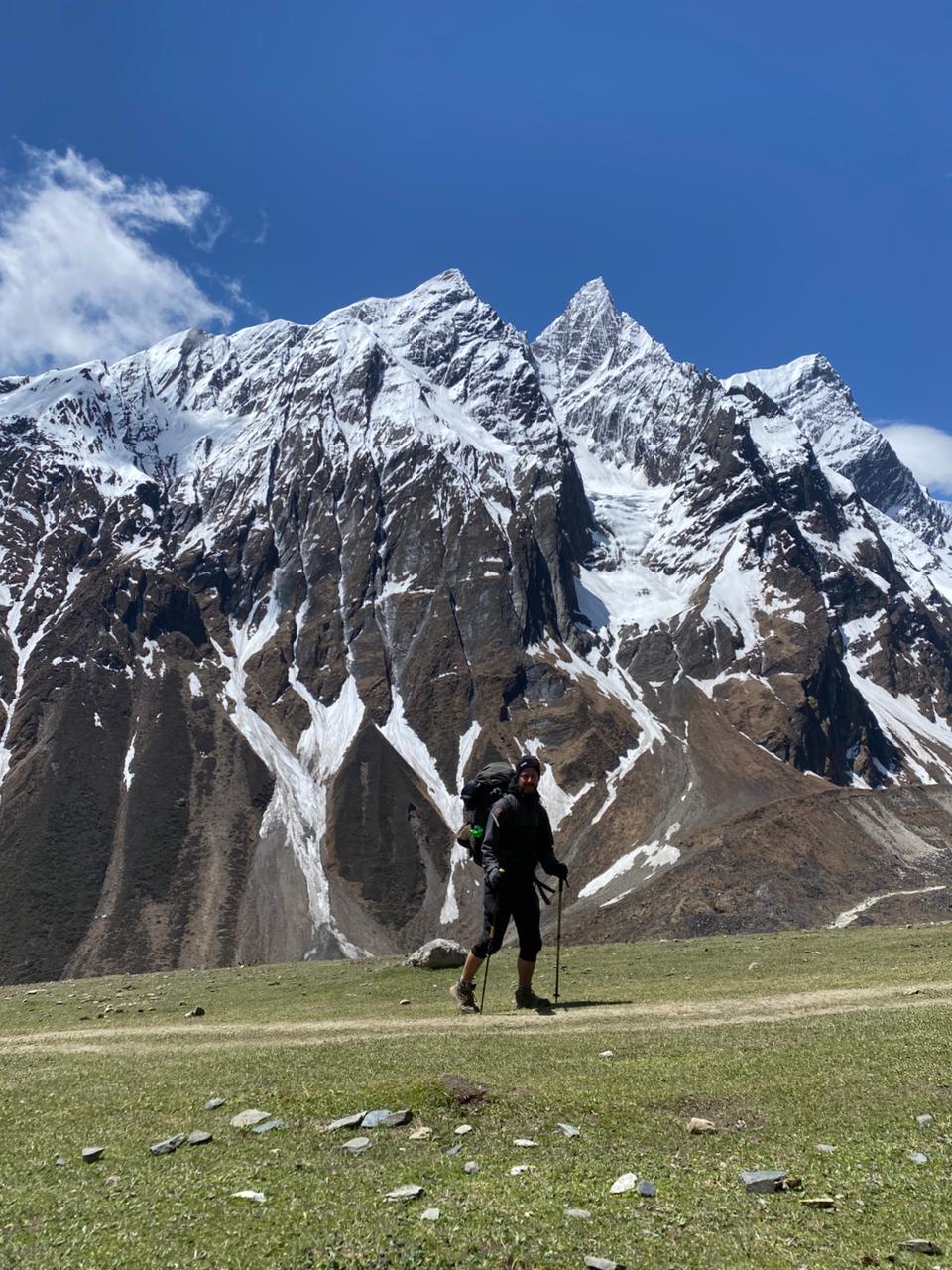
The Langtang Valley Trek with Yala Peak Summit is an exciting Himalayan adventure that combines the scenic beauty of the Langtang Valley with the challenge of climbing Yala Peak, one of Nepal's popular trekking peaks. Located north of Kathmandu near the border with Tibet, the journey offers a combination of spectacular mountain scenery, traditional villages, Buddhist culture, and a rewarding Himalayan summit experience.
The trek begins with a scenic drive from Kathmandu toward Syabrubesi, the main gateway to the Langtang region. From there, the trail follows the Langtang River through lush forests, traditional settlements, and narrow mountain valleys before reaching higher-altitude villages such as Lama Hotel and Langtang. The landscape gradually changes from dense forests to open alpine terrain as the trail approaches Kyanjin Gompa.
Kyanjin Gompa is one of the major highlights of the trek and serves as the base for exploring the surrounding Himalayan landscape. Trekkers can enjoy panoramic views of peaks including Langtang Lirung, Dorje Lakpa, and other mountains of the Langtang Himal. The area is also culturally significant, with strong Tibetan Buddhist influences visible in local monasteries, prayer flags, mani walls, and traditional mountain communities.
The Yala Peak section adds a mountaineering dimension to the journey. At approximately 5,732 meters, Yala Peak provides an achievable introduction to Himalayan peak climbing for trekkers with appropriate preparation and guidance. Climbers typically spend time around the base camp preparing for the summit before making their ascent. From the summit, clear-weather views can include Langtang Lirung, Ganesh Himal, Dorje Lakpa, and other surrounding Himalayan peaks.
The journey also passes through Langtang National Park, an important protected area known for its diverse landscapes and wildlife. The lower sections of the trail feature forests containing rhododendron, oak, and other Himalayan vegetation, while higher elevations reveal rugged mountains, glaciers, rocky terrain, and alpine landscapes.
The Langtang Valley Trek with Yala Peak Summit is ideal for adventurous travelers who want to experience both a classic Himalayan valley trek and a manageable mountaineering challenge. The combination of Nepali and Tibetan-influenced culture, dramatic mountain landscapes, traditional villages, Buddhist heritage, and a Himalayan summit makes this journey a memorable adventure in the Langtang region.
Tap a day to expand the details.
Your Yala Peak adventure begins with a scenic drive from Kathmandu toward Syabrubesi, the gateway to the Langtang region. The journey takes you through winding mountain roads, traditional villages, terraced hillsides, forests, and river valleys as you gradually leave the Kathmandu Valley behind. Along the way, you pass through towns and settlements where you can observe the everyday lifestyle of rural Nepal.
As the road continues north, the surrounding landscape becomes increasingly mountainous, with steep green hills and rugged terrain forming the backdrop. After several hours of driving, you reach Syabrubesi, a lively mountain settlement and an important starting point for trekking and climbing adventures in the Langtang region. After checking into your accommodation, you can rest and prepare for the trek ahead.
After breakfast, you begin your trek toward Lama Hotel, following the trail along the Langtang Khola through the lush forests of Langtang National Park. The trail gradually climbs through dense woodland filled with oak, rhododendron, bamboo, and other Himalayan vegetation. The sound of the river and numerous small waterfalls accompany you along much of the route.
As you gain elevation, the trail passes through small settlements and forested sections with occasional views of the surrounding hills. The gradual ascent provides your first opportunity to adjust to the trekking pace and changing altitude. After several hours of walking, you arrive at Lama Hotel, a peaceful settlement situated beside the river and surrounded by dense forest. You spend the night here, preparing for the higher elevations ahead.
Today, the trail continues deeper into the Langtang Valley. From Lama Hotel, you follow the Langtang Khola upstream through beautiful forests, gradually gaining altitude. As you climb higher, the forest begins to thin and the surrounding mountains become more visible.
The trail passes through areas such as Riverside and Ghoda Tabela, where the valley begins to open and the landscape takes on a more alpine appearance. Along the route, you encounter traditional stone houses, prayer flags, mani walls, and Buddhist monuments that reflect the strong Tibetan Buddhist influence of the Langtang region.
Continuing through the broadening valley, you eventually reach Langtang Village. Surrounded by impressive mountains and traditional Himalayan architecture, the village provides an excellent opportunity to experience the unique culture and mountain environment of the region. You spend the night here and prepare for the journey toward Kyanjin Gompa.
Today is a relatively short but important trekking day as you make your way toward Kyanjin Gompa, the highest permanent settlement on the main Langtang Valley trail. After breakfast, you follow a gradually ascending trail through an increasingly open and dramatic landscape.
Along the way, you pass traditional stone-built houses, prayer wheels, mani walls, and colorful prayer flags. The surrounding mountains become increasingly impressive as you move deeper into the upper Langtang Valley. The trail eventually leads you to Kyanjin Gompa, a beautiful mountain settlement surrounded by towering Himalayan peaks.
After arriving at Kyanjin Gompa, you have time to explore the village and surrounding area. You can visit the historic monastery, observe the local Buddhist culture, and enjoy spectacular views of the surrounding mountains. The afternoon can be spent resting and preparing for the acclimatization and climbing days ahead.
Today is dedicated to acclimatization at Kyanjin Gompa before moving toward the higher elevations of Yala Peak. Rather than remaining completely inactive, you take a gradual acclimatization hike in the surrounding mountains. Depending on conditions and your group's pace, the hike can include an ascent toward Tserko Ri, one of the prominent viewpoints above Kyanjin Gompa.
The hike provides spectacular views of Langtang Lirung and the surrounding Himalayan peaks while allowing your body to gradually adapt to the thinner air. The landscape becomes increasingly rugged as you gain elevation, with alpine meadows, rocky slopes, glaciers, and snow-covered mountains surrounding the valley.
After returning to Kyanjin Gompa, you have time to rest, hydrate, and prepare your equipment for the upcoming journey to Yala Peak Base Camp. Your climbing team can also use this day to check equipment and discuss the climbing plan, weather conditions, and safety procedures.
Today marks the transition from trekking to the more remote and challenging climbing section of the adventure. After breakfast at Kyanjin Gompa, you begin ascending toward Yala Peak Base Camp. The trail gradually leaves the more developed trekking route behind and enters a rugged high-altitude environment.
As you climb higher, vegetation becomes increasingly sparse and the landscape changes into rocky terrain, alpine meadows, glacial valleys, and exposed mountain slopes. The magnificent Himalayan peaks surrounding the Langtang region become more prominent as you approach the base camp.
The ascent requires a steady pace because of the increasing altitude. After several hours of walking, you reach Yala Peak Base Camp at approximately 4,800 meters. Once at camp, you settle into your accommodation or tented camp, rest, and prepare for the summit attempt. Your climbing team will also review equipment, climbing techniques, weather conditions, and the plan for the summit day.
This day is kept as a reserve day to provide flexibility for the Yala Peak climbing schedule. Weather and mountain conditions can change quickly at high altitude, and having an additional day allows the climbing team to adjust the summit plan if necessary.
If conditions are suitable and the climbing schedule does not require the reserve day, you can use the time for rest, acclimatization, equipment preparation, and familiarization with the route. The climbing guides can inspect technical equipment such as crampons, harnesses, ropes, ice axe, and other essential gear while discussing the summit strategy.
The reserve day is particularly useful because successful high-altitude climbing depends not only on physical preparation but also on favorable weather and safe mountain conditions. You spend the night at Yala Peak Base Camp, ready for the summit attempt when conditions are appropriate.
Today is the major highlight of your Yala Peak adventure. You make an early start from base camp, usually before sunrise, to take advantage of the more stable morning conditions and allow sufficient time for the summit and descent.
The climb begins across rugged high-altitude terrain, with increasingly steep sections as you approach the upper slopes of Yala Peak. Depending on snow and mountain conditions, technical climbing equipment may be required, and your climbing guides will determine the safest route. You continue steadily upward, managing your pace carefully as the altitude increases.
After a challenging ascent, you reach the summit of Yala Peak at approximately 5,500 meters. From the summit, you can enjoy extraordinary panoramic views across the Langtang Himalayas, with numerous snow-covered peaks, glaciers, valleys, and rugged mountain ridges stretching across the horizon.
After spending some time at the summit, you begin the descent toward base camp and continue back toward Kyanjin Gompa. The descent requires careful attention, particularly on steep or icy sections. After a long and demanding day, you arrive back at Kyanjin Gompa where you can rest and celebrate the successful completion of your climb.
After breakfast, you begin the descent from Kyanjin Gompa toward Lama Hotel. The trail follows the Langtang Valley and retraces much of the route used during the ascent. As you lose altitude, the landscape gradually changes from the rugged alpine environment around Kyanjin Gompa to greener forests and warmer valleys.
You pass through Langtang Village and Ghoda Tabela before continuing toward the lower reaches of the valley. The trail follows the Langtang Khola, with forests, waterfalls, mountain slopes, and traditional settlements appearing along the route.
The long descent provides a welcome change after the demanding Yala Peak climb. After approximately seven hours of walking, you arrive at Lama Hotel, where you can relax, enjoy a warm meal, and recover from the previous days of climbing.
Today is the final trekking day of your Yala Peak and Langtang adventure. From Lama Hotel, you descend through the beautiful forests of Langtang National Park, following the trail alongside the Langtang Khola toward Syabrubesi.
The trail becomes increasingly green and warmer as you lose altitude. You pass through forested sections, waterfalls, small settlements, and familiar sections of the trail from the beginning of your journey. The gradual descent allows you to enjoy the surrounding landscape without the pressure of gaining altitude.
After several hours of walking, you reach Syabrubesi, marking the completion of your trekking and climbing route. After checking into your accommodation, you can relax and enjoy a well-deserved evening following the successful Yala Peak expedition.
After breakfast, you begin the drive back to Kathmandu. The journey follows the winding mountain roads through the hills of northern Nepal, passing rural villages, terraced farmland, forests, and river valleys along the way.
As you gradually descend toward the Kathmandu Valley, the landscape changes from remote mountain scenery to more populated towns and settlements. The drive provides time to reflect on your journey, from the forests of Langtang and the cultural villages of the valley to the high-altitude landscapes of Kyanjin Gompa and the summit of Yala Peak.
After approximately 7–9 hours on the road, you arrive in Kathmandu, bringing your Yala Peak climbing adventure to an end.
No reviews of this trek yet — if you have trekked it, yours would be the first.
Log in to share your experience of this trek.